

Gulf Coast Roofing Introduces Storm-Resilient Roofing System Designed for Hurricane-Prone Regions
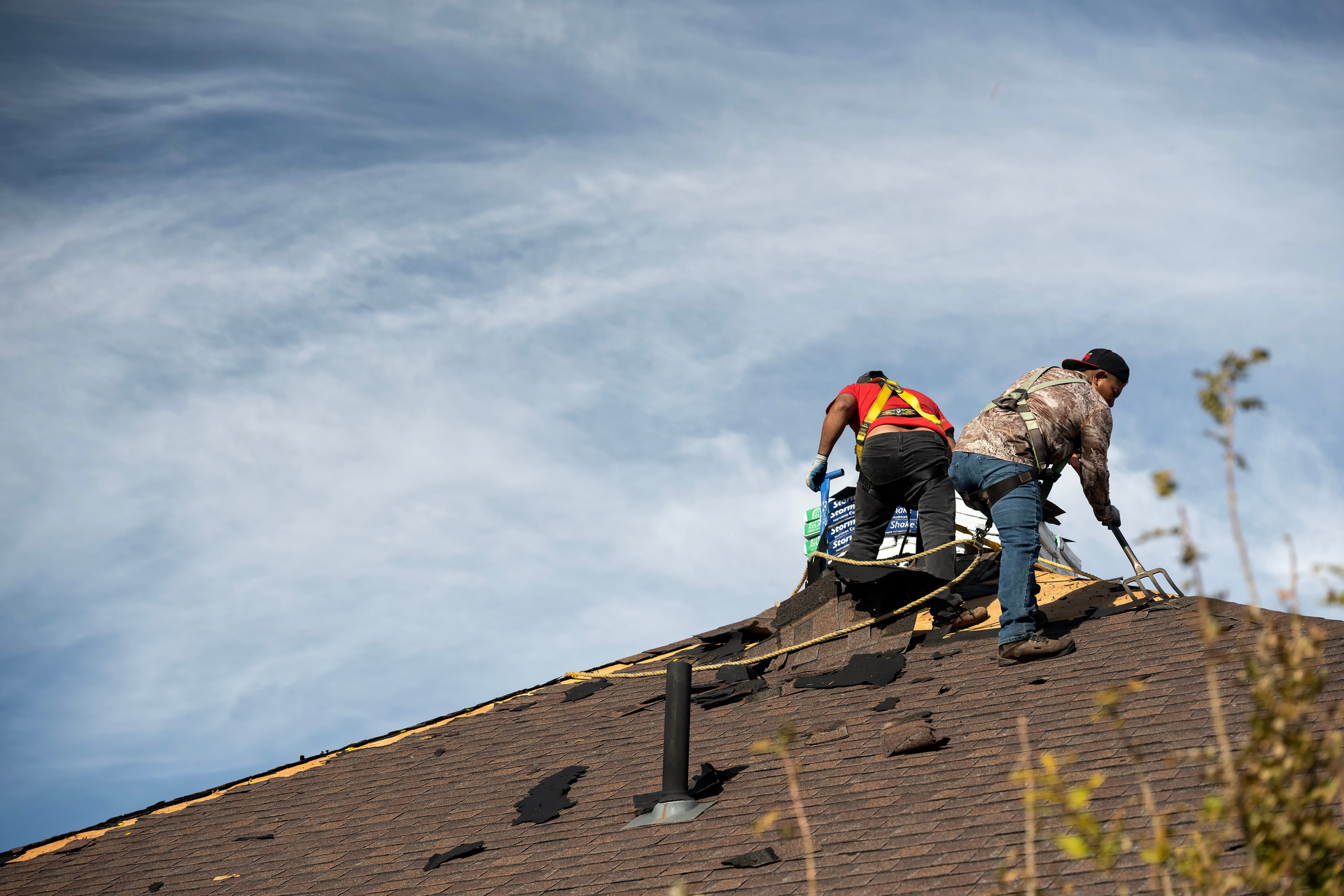

Roof performance during severe weather is influenced by how materials work together as a complete system”
PEARL RIVER, LA, UNITED STATES, January 9, 2026 /EINPresswire.com/ -- — Timothy Bain
Roofing systems along the Gulf Coast face unique challenges due to frequent storms, high winds, heavy rainfall, and prolonged humidity. In response to these environmental conditions, Gulf Coast Roofing has introduced an advanced storm-resilient roofing system developed specifically to address the structural and material demands of hurricane-prone regions.
Homes throughout coastal Louisiana and surrounding areas are routinely exposed to wind uplift, wind-driven rain, and debris impact during severe weather events. Traditional roofing assemblies may experience accelerated wear or failure when subjected to repeated storm stress. The newly introduced system focuses on material selection, fastening methods, and installation sequencing intended to improve roof performance under extreme conditions.
A key component of the system is enhanced underlayment technology designed to provide an additional layer of water resistance. Underlayment serves as a critical secondary barrier when exterior materials are compromised. Improved adhesion and tear resistance help maintain coverage during high-wind events, reducing the likelihood of water intrusion.
Shingle and roofing material selection also plays an important role in storm resilience. Materials incorporated into the system are engineered to improve wind resistance and dimensional stability. These characteristics help reduce lifting, shifting, and material loss during sustained wind exposure. Proper alignment and fastening patterns are used to distribute wind forces more evenly across the roof surface.
Fastening methods represent another focus area. Nail placement, fastening depth, and spacing influence how roofing materials respond to uplift pressures. The system incorporates installation standards that account for regional wind loads and code requirements. Attention to fastening details helps reinforce attachment points and reduce stress concentrations.
Ventilation integration is also considered within the overall roofing assembly. Proper airflow supports temperature regulation and moisture control within attic spaces. Balanced ventilation reduces heat buildup that can weaken materials over time and helps manage moisture accumulation that may affect structural components.
Edge protection and flashing details are addressed with equal importance. Roof edges, ridges, and penetrations often represent vulnerability points during storms. Reinforced edge components and properly sealed flashing help reduce opportunities for wind-driven rain to enter the structure. These details contribute to overall system integrity rather than functioning as isolated elements.
According to Timothy Bain, Chief Financial Officer of Gulf Coast Roofing, system-level design is essential when addressing storm exposure along the Gulf Coast.
“Roof performance during severe weather is influenced by how materials work together as a complete system,” said Bain. “Focusing on underlayment, fastening, ventilation, and edge protection together helps address the types of conditions commonly experienced in this region.”
Storm-resilient roofing design also considers long-term durability. Exposure to sun, salt air, and humidity can degrade materials over time, even outside of major storm events. Selecting components that maintain performance under prolonged environmental stress supports roof longevity and consistent protection.
Building codes and insurance considerations continue to evolve in response to regional weather patterns. Roofing systems that align with updated standards and documented installation practices support compliance and consistency. Clear documentation of materials and methods also aids in post-storm assessments and maintenance planning.
Installation training and process control represent another aspect of system implementation. Roofing assemblies perform as intended only when installed according to specifications. Sequenced installation steps and quality checks help ensure that materials interact correctly and that critical details are addressed during construction.
Storm-resilient systems are designed not only for major hurricanes but also for frequent lesser events that cumulatively affect roof performance. Heavy rain, tropical storms, and seasonal wind events contribute to gradual wear that may not be immediately visible. Systems that manage these recurring stresses help reduce incremental damage over time.
As climate patterns continue to influence storm frequency and intensity, roofing design increasingly emphasizes resilience and adaptability. Systems tailored to regional conditions reflect a broader shift toward performance-based construction approaches rather than one-size-fits-all solutions.
The introduction of a storm-resilient roofing system reflects ongoing attention to the realities faced by Gulf Coast homeowners. By addressing material performance, installation methodology, and environmental exposure as interconnected factors, roofing systems can better support structural protection in challenging coastal environments.
Roofing remains a critical component of home resilience. Systems designed with regional risks in mind contribute to more predictable performance when severe weather occurs, supporting both immediate protection and long-term structural stability.
Morgan Thomas
Rhino Digital, LLC
+1 504-875-5036
email us here
Visit us on social media:
Facebook
Legal Disclaimer:
EIN Presswire provides this news content "as is" without warranty of any kind. We do not accept any responsibility or liability for the accuracy, content, images, videos, licenses, completeness, legality, or reliability of the information contained in this article. If you have any complaints or copyright issues related to this article, kindly contact the author above.
